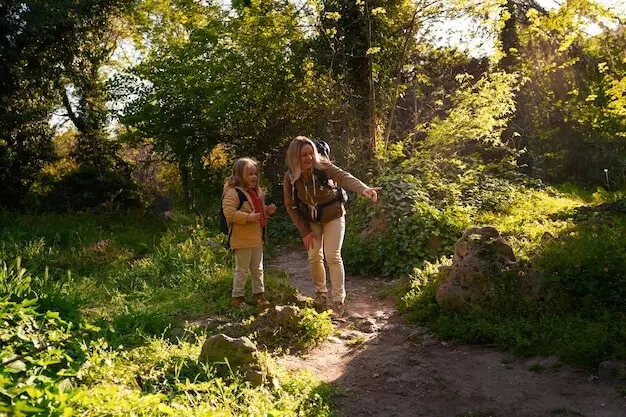
Gentle Paths Among Kent’s Blossoms

Welcome! Today we’re celebrating Accessible Flower Walks in Kent: Wheelchair- and Stroller-Friendly Paths, guiding you through blossom-lined lanes, coastal wildflower stretches, and step-free garden circuits. Expect practical tips, heartfelt stories, and carefully chosen routes that honor different paces, mobility needs, and family rhythms. Share your experiences, ask questions, and help our community refine details that turn a nice day out into a truly joyful, low-stress wander among petals.

Surfaces, Gradients, and Peace of Mind

Confidence begins under your wheels and feet. In Kent, many beloved green spaces now feature firm surfaces, honest gradient signage, and plentiful resting spots. Combining compacted gravel, well-laid tarmac, and wide boardwalk sections, these routes welcome prams, mobility aids, and curious toddlers alike. You will find benches near viewpoints, gentle ramps beside steps, and clear maps that reduce surprises, so energy can stay focused on fragrances, birdsong, and the small, fleeting details flowers whisper to attentive visitors.

Firm ground under every wheel

Reliable traction matters when curiosity leads you toward a new view. Around Mote Park’s lake, on Reculver’s seawall, and through sections of country parks, well-compacted paths keep momentum smooth and turning easy. Gravel is graded, tarmac well-drained, puddles often diverted, and kerbs softened into dropped edges. That care invites relaxed exploration, steadier steering, and more time enjoying daisies, reeds, and swaying grasses rather than wrestling ruts or second-guessing the next bend.

Gentle climbs and honest signage

Climbs feel friendlier when signposts tell the truth. Many Kent routes now indicate slope percentages, surface types, and distances to the next rest. Families pushing sleeping babies or supporting wheelchair users can measure effort, plan pauses, and choose loops that match daily energy. When a hill appears, there’s often a ramped alternative. Clear maps at entrances and cafes reduce anxiety, freeing attention for scent, color, and the soft shuffle of petals falling onto safe, even ground.

Petals by the Calendar

Following the calendar turns each walk into a living story. Spring throws confetti across orchards and woodlands, while summer deepens into scented borders and coastal thrift. Autumn reveals seedheads and bronze grasses, then winter sketches silhouettes that shine against low light. Tuning plans to the season means better lighting for photos, calmer crowds, and blooms at peak generosity. We’ll outline gentle Kent circuits where the year’s quiet choreography rewards every measured step, push, and pause.

Routes to Savor Safely

These Kent highlights balance beauty with practicality. Surfaces remain mostly firm, gradients gentle, and facilities close enough for relaxed pacing. Before visiting, check the latest access notes, weather, and maintenance updates, because nature and infrastructure both evolve. Each route favors pause-friendly viewpoints and rhythmic benches, inviting conversations, snacks, and the essential delight of simply being outside. They are starting points, not limits—adapt distances, enjoy detours, and share feedback so the next visitor travels with greater ease.

Smart Planning for Smooth Days Out

Great walks begin before the car door opens. Scan access pages for parking proximity, surface notes, and toilet locations, then match distance to energy and attention spans. Aim for off-peak windows when paths are quieter and viewpoints easier to savor. Weather shifts quickly near coast and downs, so pack layers and charge phones. Keep snacks reachable, maps downloaded, and expectations flexible. Planning is not rigidity—it is the generous cushion that lets spontaneity bloom safely along welcoming paths.

Parking, tickets, and timing

Blue Badge spots closest to gates shorten that critical first stretch, preserving energy for floral highlights. Book tickets where required, screenshot confirmations, and arrive slightly early to avoid queues. Morning light flatters petals and reduces heat for seated walkers. If naps or medications shape the day, tether route length to those rhythms. Checking maintenance updates prevents awkward detours, while a simple backup plan—shorter loop, nearer bench—transforms hiccups into footnotes rather than headline stress.

Gear that glides, not grinds

Small tweaks protect comfort and momentum. Inflate stroller tires, bring a rain cover that doubles as wind shield, and pack a light throw for cool benches. For wheelchairs, a simple anti-slip lap tray steadies snacks and maps. Consider fingerless gloves on longer pushes, sunglasses against water glare, and compact tools for quick fixes. Offline maps and a power bank keep navigation calm. Minimal weight, maximum usefulness—that balance helps every delightful flower distraction remain a welcome pause, not a logistical snag.

Food, shade, and little legs

Hunger shortens tempers faster than any gradient. Keep snacks visible, water plentiful, and a picnic plan anchored to a shaded bench or wind-sheltered corner. Many Kent parks and gardens provide cafes with step-free access and children’s options. If exploring during nap windows, choose loops that pass near seating twice. Encourage tiny botanists with simple missions—spot a bee, count poppies, find the softest leaf. Gentle gamification turns steady progress into celebration, blending patience, curiosity, and nourishing pauses.

Stories from the Path Edge

Human details illuminate the way better than arrows alone. A grandparent teaching names of flowers from seated height, a carer savoring a rare quiet bench, a toddler squealing at a butterfly’s sudden loop—these moments justify every access improvement. Kent’s paths hold countless memories stitched between blooms. We share a few to encourage confidence, empathy, and adventure. Add yours, because another reader may learn exactly which corner, ramp, or resting place will open their weekend to gentle, joyful possibility.

Grandad, grandson, and a kite at Tankerton

On a calm spring afternoon, a lightweight wheelchair rolled along the flat seafront while a small kite bobbed over thrift and shingle. The boy counted daisy heads, the grandad named seabirds, and both measured success in shared giggles. A nearby bench appeared exactly when needed, not as rescue, but as invitation. They left without touching the car’s emergency snacks, proof that pacing, planning, and an honest path turn minutes into memories—and seawind into a new family tradition.

A carer’s quiet victory at Hever

Navigating roses with a manual chair can feel daunting, but patience and friendly advice smoothed the route. A steward suggested a gentler ramp, the cafe saved a corner table, and a sudden burst of scent dissolved lingering doubt. They paused where petals framed the water, took unhurried photos at seated height, and celebrated comfort instead of endurance. Later, they shared notes online about surface feel and timing, gifting strangers the reassurance that transformed their own anxious morning into ease.

Care for Wild Places While You Wander

Accessibility and stewardship walk together. Wide, firm paths protect roots, nests, and delicate plantings when we stay within their edges. Bins, dog leads, and patient passing make shared spaces kinder. In return, nature offers perfume, color, and that quiet, rebalancing hush. We’ll outline simple courtesies—especially useful when pushing wheels—so encounters feel cooperative rather than crowded. These habits safeguard habitats and help land managers justify more benches, ramps, and signage that invite everyone into Kent’s living, blooming classroom.

Share space with pollinators

Bees and butterflies treat borders as airports, so our gentlest paths remain just outside those runways. Resist trampling verges for close-ups; instead, use zoom or kneel on path edges where safe. Fragrance travels farther than shoes can, and patient looking reveals wonders. Avoid strong perfumes if you can, secure lids on sweet drinks, and pause before passing flowering patches. When we move like guests, pollinators continue their vital ballet, and blossoms greet the next visitors unrumpled.

Dogs, prams, and hedgerows

Leads protect wildlife, wheels, and ankles, especially near nesting birds or narrow stretches. If a stroller or wheelchair needs extra space, a quick smile and small shuffle turn potential friction into camaraderie. Do not block gates for photos; step aside, then resume the rhythm. Hedges hide busy homes—tread gently near them, and never cut corners over verge corners. These courtesies amplify everyone’s comfort, making shared routes feel less like compromises and more like generous, well-choreographed promenades.

Leave nothing but tire tracks

Litter breaks the spell and harms habitats, so pack an extra bag for wrappers and wipes. Resist picking flowers; photographs last longer and keep seeds for birds. Shake sand from wheels away from borders, and brush off mud at taps rather than puddles. If you spot a hazard, kindly tell staff—it prevents accidents. Access thrives where care is obvious: clean benches, safe edges, and blooms left to finish their stories for tomorrow’s delighted, unhurried visitors.

Share Your Accessible Discoveries

Our guides grow stronger with your eyes and wheels. Comment with surface notes, gradient surprises, and restroom updates. Post photos that show kerb drops, bench spacing, and stroller turning circles. Tell us when blossom peaks, which route quiets tantrums, and where a ramp beats steps. Subscribe for seasonal alerts, printable maps, and new additions. Together, we can map gentle loops that respect energy limits and celebrate delight, helping more families and wheelchair users welcome flowers back into their weekends.
Viroxarilumazerarinokaro
Privacy Overview

This website uses cookies so that we can provide you with the best user experience possible. Cookie information is stored in your browser and performs functions such as recognising you when you return to our website and helping our team to understand which sections of the website you find most interesting and useful.