
Historic Gardens Trail in Kent: From Walled Estates to Cottage Borders

Step into a living tapestry of Kentish horticulture as we set out on the Historic Gardens Trail: From Walled Estates to Cottage Borders in Kent, exploring timeworn brickwork, perfumed borders, and the stories of gardeners whose hands shaped beauty, sustenance, and sanctuary across the centuries.

Tracing Origins Within Ancient Walls

Beyond their quiet, sun-warmed bricks, walled gardens in Kent once pulsed with ingenious cultivation, microclimates, and disciplined craft. From Penshurst Place to Godinton and Walmer, these enclosures nurtured peaches and pears against trained espaliers, sheltered tender figs, and extended seasons with ingenious glasshouses that turned cool English light into ripened sweetness.

A Spring to Early Summer Circuit

Begin with Godinton’s tulip terraces glowing under clipped yews, then wander Sissinghurst when orchard blossom lifts the sky. Pause at Hever to admire early perennials bridging parterre formality, before finishing at Goodnestone where wisteria drapes paths and herbaceous borders promise the generous crescendo of long, warm June days.

Autumn Fire and Seedheads

When late sun slants across the Weald, seek burnished hedges at Penshurst, dusky asters at Sissinghurst, and the dramatic slopes of Riverhill. Look closely at structural seedheads casting lacework shadows, learn from how gardeners edit for winter silhouette, and savor the low, honeyed light gilding restored brick and stone.

Design Dialogues: From Formality to Freer Borders

Reading Parterres Like Maps

Stand above a patterned parterre and notice how clipped geometry steers footsteps toward sculpture, urns, or distant trees. Lines become sentences, knots become paragraphs, and each gravel path edits movement, inviting slower thoughts and a heightened sense of place shaped by proportion, rhythm, and reverent attention to light.

Borders That Billow and Breathe

Stand above a patterned parterre and notice how clipped geometry steers footsteps toward sculpture, urns, or distant trees. Lines become sentences, knots become paragraphs, and each gravel path edits movement, inviting slower thoughts and a heightened sense of place shaped by proportion, rhythm, and reverent attention to light.

Water, Bricks, and Borrowed Views

Stand above a patterned parterre and notice how clipped geometry steers footsteps toward sculpture, urns, or distant trees. Lines become sentences, knots become paragraphs, and each gravel path edits movement, inviting slower thoughts and a heightened sense of place shaped by proportion, rhythm, and reverent attention to light.

People Behind the Petals

Letters, Notebooks, and Late Evenings

Imagine handwritten lists, stained with soil, tallying roses, wallflowers, and silver foliage for moonlit paths. Correspondence weighed fragrance against frost dates, while dusk planting sessions stitched together work, conversation, and experiment, proving that great gardens rarely appear whole, but are revised drafts refining feeling, function, and enduring delight.

Craft of Modern Head Gardeners

Imagine handwritten lists, stained with soil, tallying roses, wallflowers, and silver foliage for moonlit paths. Correspondence weighed fragrance against frost dates, while dusk planting sessions stitched together work, conversation, and experiment, proving that great gardens rarely appear whole, but are revised drafts refining feeling, function, and enduring delight.

Local Voices and Memory

Imagine handwritten lists, stained with soil, tallying roses, wallflowers, and silver foliage for moonlit paths. Correspondence weighed fragrance against frost dates, while dusk planting sessions stitched together work, conversation, and experiment, proving that great gardens rarely appear whole, but are revised drafts refining feeling, function, and enduring delight.

Cottage Edges and Village Stories

Beyond formal terraces, lanes unfurl toward cottage plots where hollyhocks salute windows and herbs soften thresholds. Leeds Castle’s Culpeper Garden celebrates generous, loosely woven planting, echoing village wisdom where edible, medicinal, and ornamental share space, teaching that usefulness and beauty happily coexist at the garden’s welcoming, human scale.

Practical Guide: Tickets, Etiquette, and Footwear

When to Go and What to Pack

Spring demands waterproofs and cheerful socks, summer begs sunscreen and water, autumn prefers a thermos and spare gloves. Add a small field guide, pencil, and portable charger, so fleeting revelations—rose names, seedhead shapes, or trellis joinery—can be sketched before the day’s gold slips quietly away.

Respectful Wandering

Keep to paths, close gates, and resist picking tempting blooms. Whisper near nesting sites, leave drones at home, and tread lightly near freshly edged beds. A quiet bench becomes an observatory, rewarding patience with scents, textures, and subtle dramas otherwise lost to hurried steps and careless elbows.

Navigating Accessibility

Historic steps and gravel can challenge wheels or sticks, yet many sites map gentler routes and provide helpful staff. Check access pages for Walmer, Hever, and Sissinghurst before setting out, request seating when needed, and celebrate every thoughtfully placed bench that turns a long slope into measured joy.

Join the Conversation and Keep Exploring
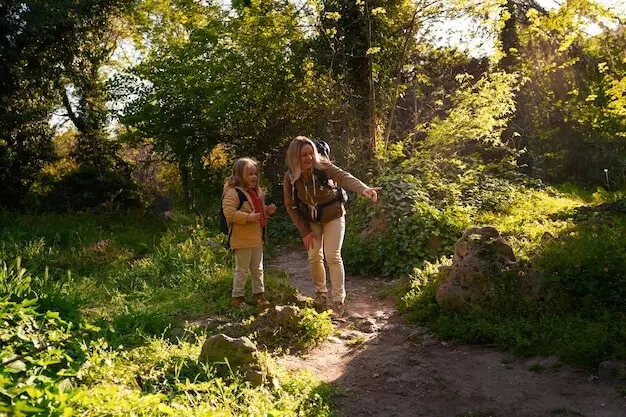
Your observations, photos, and route tips help fellow travelers catch the right bus, find the quiet bench, or time a rose walk perfectly. Share discoveries, ask questions for gardener Q&As, and subscribe for seasonal notes that keep this wandering dialogue alive, generous, and deeply rooted in Kent’s living heritage.
Viroxarilumazerarinokaro
Privacy Overview

This website uses cookies so that we can provide you with the best user experience possible. Cookie information is stored in your browser and performs functions such as recognising you when you return to our website and helping our team to understand which sections of the website you find most interesting and useful.