







Walking the Wildflower Edge of Kent’s Chalk Cliffs

Today we’re exploring Coastal Wildflower Routes Along Kent’s Chalk Cliffs, where salt-bright winds brush pink thrift, sea campion, and pyramidal orchids across gleaming headlands between Dover, St Margaret’s, and Kingsdown. Expect big skies, sudden skylark songs, and chalk-sweet scents. Bring curiosity, steady boots, and an eye for butterflies dancing above horseshoe vetch. Share your sightings with our community, ask questions, and subscribe for seasonal bloom alerts, route maps, and gentle stewardship tips that help every wanderer tread lightly while discovering this living edge between ancient sea and resilient meadow.

Where Sea Meets Meadow Skies

From the White Headlands to the Lighthouse

Follow a well-loved route that leaves the visitor centre and swings east above chalk-white faces, the path ribboning through thrift and sea campion. Larks rise like scattered sparks. The South Foreland Lighthouse offers tea, history, and shelter if wind stiffens. Turn inland to loop back, sharing your favorite viewpoints with fellow walkers and noting any early orchids tucked among short turf. Keep respectful distance from the edge, yet let the thunder of waves press its rhythm into your steps.

Samphire Hoe’s Reclaimed Garden

Born from Channel Tunnel chalk, Samphire Hoe is a modern marvel where industry yielded a wildflower haven. A broad, accessible path sketches along sea walls while delicate plants colonize the compacted substrate. In April and May, early spider-orchids surprise patient eyes. Children can scan interpretation boards connecting geology, engineering, and ecology. Rest on benches, watch fulmars arc the cliff face, and record sightings in a shared log. Your notes help track bloom timing and butterfly numbers through seasons of change.

Over the Rippled Downs Above Kingsdown

Climb from sleepy shingle to breezy upland, where the turf feels alive underfoot and hedges break the wind with salty whispers. Here, clustered bellflowers punctuate summer, while horseshoe vetch paves runways for chalkhill blues. On warm days, marbled whites animate the grass like mobile petals. Let your route weave inland and back to the brink, savoring alternating panoramas: green downs, chalk faces, and restless blue. Share your track, tips, and picnic nooks so newcomers can wander confidently and kindly.

April to May: Orchids and Cowslips Wake the Slopes

As soils warm, cowslips cluster like lanterns and violets return to sheltered banks. At Samphire Hoe, early spider-orchids unfurl improbable faces that reward unhurried eyes. Bring a kneeling pad for close looks, tread carefully, and photograph rather than pick. Skylarks nest close to paths; keep dogs leashed and ears tuned to their liquid song. Share your first-bloom dates in our community thread to help map microclimate patterns shaped by cliff shade, sea breezes, and spring’s gentle stutter.

June to July: Thrift Ribbons and Butterfly Ballets

High summer lifts color into banners. Pyramidal orchids rise coral-pink, sea campion froths along edges, and thrift stitches cushions across worn ledges. Horseshoe vetch feeds chalkhill and Adonis blues, whose wings glitter like enamel in sun. Carry water, sunscreen, and patience, because the best sightings happen when you slow to the turf’s pace. Families can tally species, turning a stroll into discovery. Post your counts, photos, and questions, inspiring others to notice minute marvels swirling just above their boots.

Late Season: Subtle Tones, Migrants, and Big Weather

By late summer and into autumn, seed heads rattle like tiny tambourines while scabious and knapweed dot the grass with enduring color. Look for migrating swallows, kittiwakes drifting, and peregrines training young over thermals. Dramatic skies arrive quickly; check gusts and visibility. Winter’s palette still rewards with lichen mosaics and flint gleam after rain. Leave notes about shelter spots, alternative inland loops, and photography tips for low light. Your experience helps others embrace the quiet drama of shoulder seasons.

Roots in Alkaline Dust, Faces to the Spray

Plants here are tough romantics, living lean in lime-rich crumbs and shrugging off salt. Thrift stitches mats that resist wind, sea campion hides nectar deep, and rock samphire survives where others would wither. Short turf creates pocket microclimates, concentrating warmth for germination. Notice leaf shapes: narrow, leathery, or waxy against desiccation. Photograph in morning’s soft light to catch textures without glare. Report unusual concentrations or early blooms; such notes help ecologists track climate signals rippling through resilient communities.

Grazers as Quiet Gardeners of the Sward

Without grazing, this grassland would thicken, shading out specialists. Sheep, and sometimes conservation ponies, trim exuberance into a low, flowery mosaic where orchids and vetches thrive. Hooves roughen soil, nudging seeds into contact with limey dust. Please pass calmly around livestock and close gates behind you. Share respectful distance tips for families new to countryside manners. When you notice cropped lawns of wild beauty, you’re witnessing a timeless collaboration between hunger, plant strategy, and wind-sung continuity along the cliff-top edge.

Companions With Wings and Whiskers

These paths are never lonely. Butterflies braid color above the grass, bees hum among thyme, and ants engineer miniature cities. Overhead, fulmars ride invisible threads and kittiwakes chatter from ledges while peregrines arrow across wind. Fox tracks sometimes pattern soft dust at dawn, and rabbits stitch paths that echo our own. Carry binoculars, hush your pace, and keep ears pricked for sudden insect choirs. Share respectful wildlife etiquette and sightings so every walker can meet these neighbors with awe and care.

Adonis, Chalkhill, and Marbled Miracles

Watch heat haze quiver as blue-winged jewels patrol vetch-lit turf. Adonis blues flash intensely, chalkhill blues glow paler, and marbled whites drift like living porcelain. Kneel to witness tiny courtships, and never chase; let curiosity anchor you. Bring a macro lens, avoid trampling rosettes, and share non-intrusive photography tips. Post your favorite nectar combinations—pyramidal orchid with scabious, thyme against rockrose—that gather wings. Together we map the subtle ballet that turns a summer breeze into a moving, glittering tapestry.

Cliffside Colonies and Sky-Hunters

Far below, kittiwakes sound like a playful squabble, while fulmars shear the air with calm, relentless grace. Scan creases in the cliff for nests, always from a safe, respectful distance. Sometimes a peregrine slices through, scattering gulls with sovereign certainty. Bring lightweight binoculars and brace elbows against a gatepost when wind rises. Share exact times you’ve seen hunting flights or colony bustle to guide others, and remember silence near nesting cliffs matters. Our quiet rewards us with intimate, unscripted moments overhead.

Bees, Ants, and the Small Engineers

Peer close and the turf becomes a city. Mining bees stitch entrances into sandy pockets, ants farm aphids beneath thyme, and beetles recycle petals into soil. These tiny workers keep chalklands humming. Avoid blocking holes or sitting on bare, crumbly patches. A child’s magnifier can transform a picnic stop into expedition. Share simple activities—timed pollinator counts, gentle drawings, mindful listening exercises—that invite patience. In noticing the minute, we learn the generosity sustaining cliff flowers, wind-toughened and tender at once.

Keeping Yourself Safe and the Cliffs Alive

Weather Windows and Sensible Footsteps

Coastal systems shift quickly. A gentle start can steepen into buffets that bend thistles flat. Wear layers, favor grippy soles, and keep hands free for balance. If mist rises, slow down and use inland hedgelines as guides. Avoid cliff edges in crosswinds and never descend unstable slopes. Save emergency numbers and tell someone your route with a return time. Share short cautionary tales and fixes—like swapping a heavy backpack for a snug waist pack—so each traveler adds steadiness to spectacular days.

Care for Paths, Plants, and Nesting Neighbors

These headlands are often protected landscapes, prized for their rare communities. Stick to marked paths, close gates, and place picnics on bare ground, not flower-thick turf. Resist foraging impulses here; leave rock samphire, orchids, and every bloom for insects and other walkers. Keep dogs leashed during nesting and lambing seasons, and pack out every crumb of litter. Post reminders that kindness includes patience with fellow visitors. Together, we model a warmth that keeps the grassland bright and abundantly alive.

Packing Wisely for Wind and Wonder

A light windproof, sunhat, and refillable bottle anchor comfort on exposed edges. Add a compact field guide, binoculars, and a notebook for quick sketches or sighting notes. Bring snacks that won’t scatter into the turf, and a small sit-mat for pauses. Consider trekking poles on steeper undulations. Share your favorite minimalist kits and photo setups, encouraging others to travel light yet ready. When equipment supports attention rather than distraction, each footstep finds more color, story, and steady delight along the way.

Three Paths to Start Your Adventure

Not sure where to begin? Try a trio of varied walks that balance spectacle, access, and discovery. One threads airy cliff-top turf toward an elegant lighthouse, another explores a reclaimed wonder beside the sea, and a third climbs from shingle to high views. Each rewards patient eyes with orchids, thrift cushions, and butterflies woven into wind. Share your timings, edits, and secret benches, and help refine these itineraries so newcomers arrive curious, confident, and ready to tread with gentle joy.

Visitor Centre to South Foreland Lighthouse There-and-Back

Allow two to three unrushed hours for an out-and-back with options to loop inland. Under bright weather, the path feels like flying above ships. Expect sea campion froth, thrift cushions, and skylarks. Tea at the lighthouse warms breezy days. Keep a safe berth from the edge and mind passing cyclists. Post your favorite viewpoints, sunrise or late-gold timings for photography, and notes on family pacing. Your shared wisdom helps others meet big horizons without hurrying past small, unforgettable details.
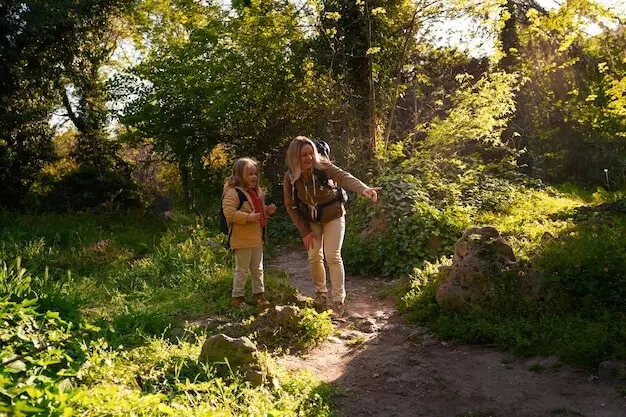
Samphire Hoe Circular With Sea-Wall Views

A shorter, more accessible circuit invites close encounters with orchids in spring and buzzing banks in summer. Paths are broad, gradients kinder, and interpretation boards enrich every pause. Watch waves slap the wall while fulmars carve quiet parabolas above. Bring binoculars to scan cliff ledges safely. Share wheelchair and pushchair experiences, resting spots, and the best angles for macro photography without trampling rosettes. Together, we make this reclaimed place a welcoming gateway to chalkland magic and patient naturalist habits.

Kingsdown to St Margaret’s Cliff-Top Traverse

Start by the beach huts at Kingsdown, then climb steadily to breezier ground where the turf shortens and flowers crowd sun-facing shelves. On calm days, butterflies stitch the air in bright threads. Navigate carefully past golf fairways and listen for skylarks above the downs. Pause at viewpoints before descending toward St Margaret’s, then loop inland through hedged lanes. Share GPX files, public transport links, and advice about respectful parking. Your notes help keep this beautiful corner friendly to walkers and neighbors alike.

Viroxarilumazerarinokaro
Privacy Overview

This website uses cookies so that we can provide you with the best user experience possible. Cookie information is stored in your browser and performs functions such as recognising you when you return to our website and helping our team to understand which sections of the website you find most interesting and useful.